
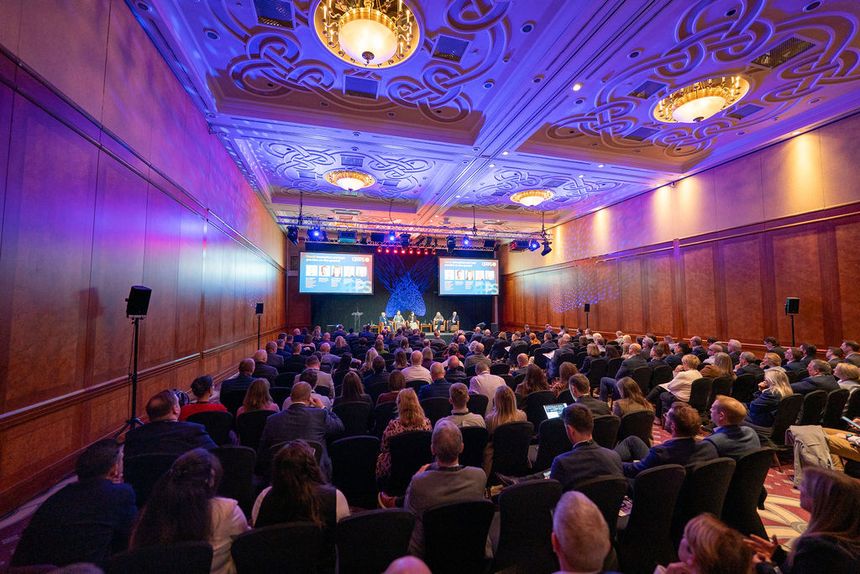


This week saw the Operational PPP Summit (OP3S) arrive in Wales for 2-3 days of panel discussions, breakout sessions, awards and networking. The conference brought together PFI/PPP experts from across the industry sector to share knowledge, navigate the challenges and consider the opportunities shaping the future of public-private partnerships.
In the room were central and local government, health bodies, project companies (SPVs), lenders, facilities management companies and advisors and consultants. Here are our key takeaways:
Preparing for PFI expiry and handback
With over 600 live projects and many approaching expiry, planning for handback is critical. This process needs to start early, ideally up to seven years before contract end, but don’t worry if that’s already passed, just make a start. Key priorities include:
Data and documentation: Agree formats, digitise records and ensure asset registers, O&M manuals and warranties are complete.
Dedicated resources: Create roles outside BAU to manage expiry, supported by toolkits and training.
Dispute readiness: Establish clear resolution routes and contingency plans.
Lifecycle and warranties: Many contracts weren’t designed for renewal works, so plan for warranties post-handover.
The message was clear: handback isn’t just a contractual exercise, it’s a strategic project requiring governance, collaboration and early engagement with all parties.
New PPP models and Welsh MIM
The Welsh Mutual Investment Model (MIM) is setting a benchmark for future PPPs. Features include:
Authority equity stakes and governance roles.
Independent testers and clerk of works for quality assurance.
Hard FM only (no soft services), which is handed back after three years, plus community benefits and ESG commitments.
Monthly data reviews, without ‘weaponising’ performance metrics.
England is exploring similar models, learning from past PFI challenges. Market engagement will be vital to build confidence and scale. Expect initial batches of projects to act as enablers, with opportunities in health, education and housing. We heard from the central Government at the conference about the 250 planned Neighbourhood Health Centres and the opportunities with new towns.
Variations for decarbonisation and retrofit
Net-zero targets are driving demand for retrofit solutions. Variations under existing PPPs can unlock significant benefits, such as the Salford school example, where heat pump installation cut gas use by 70%. Authorities should:
assess technical feasibility and planning requirements early;
explore funding routes (e.g., SALIX, green finance); and
use lifecycle reprofiling to manage affordability.
Retrofit isn’t just an environmental imperative; it’s a chance to future-proof assets and reduce operating costs.
Culture, people and day-to-day operations
Perhaps the most resonant theme was culture. Successful PPPs depend on more than contracts - they need shared values and collaborative behaviours. Individual good relationships are important but so is embedding a project culture that transcends those individual relationships and survives changes in individuals. Suggestions included:
Project charters: Codes of conduct to embed partnership principles and shared values.
Resourcing and skills: Address recruitment and retention challenges (that impact both the public and private sector) through upskilling, secondments, careers PR such as careers fairs and mentoring.
Technology and transparency: Use CAFAM systems for real-time data and AI for predictive maintenance, while ensuring authorities have read-only access to the Helpdesk.
Language matters: Stop talking about 'the other side' - we are partners.
Drivers and perspectives: Ensure parties understand their respective drivers and perspectives because that will drive the collaborative nature. As part of this, all parties feeling connected to the ultimate end product of the partnership and understanding the impacts on service delivery is important. One example was of inviting lender representatives in to observe service delivery.
Ultimately, these partnerships work best when they’re built on transparency and a shared commitment to delivering compliant facilities that keep end-user outcomes at the heart of everything we do.
Final thoughts
OP3S reinforced that PPPs are evolving. From expiry planning to new models and decarbonisation, the sector faces complex challenges, but also exciting opportunities. For local authorities, the call to action is clear:
start handback planning now;
engage early on new PPP pipelines;
embrace retrofit as a strategic priority; and
invest in people, culture and technology.
As we are most often representatives of the authorities, Alex Lawrence and Emma Beynon brought those perspectives to the discussions at OP3S, updating delegates around Local Government Reorganisation and other lived experiences from the authority perspective.
If you would like to get involved or hear more about the PPP industry and knowledge sharing available, please get in touch and subscribe to follow along with PFI Fridays.
/Passle/5f4626f28cb62a0ab4152da6/SearchServiceImages/2026-05-01-07-29-05-853-69f456419904c8be9ef4dc68.jpg)
/Passle/5f4626f28cb62a0ab4152da6/MediaLibrary/Images/2026-07-16-09-19-35-974-6a58a227ae32eb629c4993ee.png)
/Passle/5f4626f28cb62a0ab4152da6/MediaLibrary/Images/2026-06-11-09-57-25-053-6a2a86850214f29faa4bf939.png)
/Passle/5f4626f28cb62a0ab4152da6/MediaLibrary/Images/2026-07-24-14-22-29-025-6a6375253455d4af9f70ebca.png)