
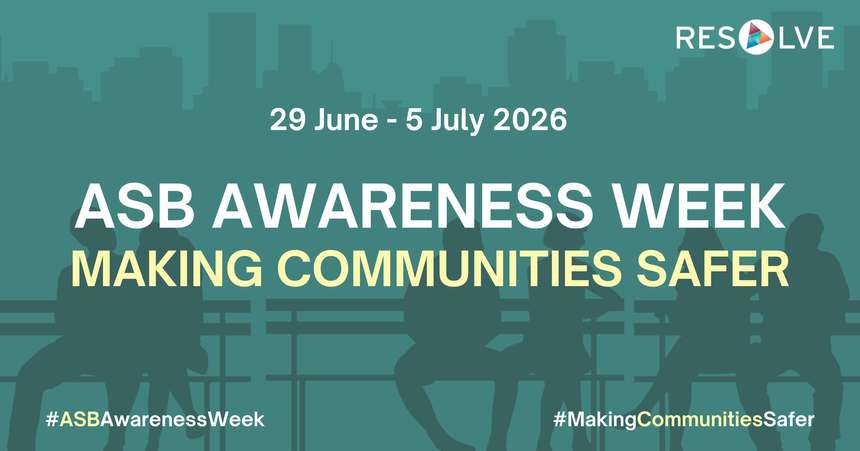

I joined Anthony Collins in November 2025 after working in Law Centres representing tenants for many years. Since moving from tenant to landlord work in housing, when dealing with anti-social behaviour (ASB) matters, I’ve found that the transition is about far more than applying the same law from a different angle. It requires a real shift in mindset, strategy, and focus.
Previously, my work was largely reactive as information was received at varying stages and was not always consistent. The focus was on testing the strength of the evidence, challenging allegations, and protecting tenants from serious consequences. Moving into landlord work has required me to frontload evidence, building cases from the ground up, ensuring that the allegations are not only sufficient but clear.
One of the biggest adjustments has been in my approach to evidence. Where I once looked for gaps and inconsistencies, I now need to eliminate them. Strong cases depend on detailed witness statements, well-structured chronologies, and a clear picture of behaviour over time. Having spent time on the tenant side, I am very aware of where vulnerabilities in evidence can be so that I can pre-empt any challenge. That perspective has been invaluable in strengthening cases I now prepare.
Another key shift has been the emphasis on proportionality and public law considerations. Previously, I would raise these arguments on behalf of tenants quite often, only at the first hearing, as it was at this late stage that these issues were apparent. Now, these need to be addressed from the outset, ensuring that any potential disability is considered early on and where relevant, the proposed action is shown to be necessary, reasonable, and compliant with public sector obligations and policy.
Working in a firm with a strong social purpose focused on improving communities has made this aspect of the role particularly important. It’s not just about whether action can be taken, but whether it should be taken, and the likely impact it will have. Enforcement is sometimes essential to protect other residents, but it must always be balanced with fairness to the individual and consideration of their own and the wider circumstances. This was always a consideration as a representative for tenants, but should also be considered by landlords and great to see that it is applied by the clients Anthony Collins is working with.
What I’ve come to value most about this transition is the perspective it brings. Having worked on both ‘sides’, I find I can approach cases more holistically. I’m more conscious of when enforcement is justified, but also when it may be disproportionate or unlikely to resolve the underlying issues.
Landlord ASB work is more than the mechanics of securing injunctions or possession orders. It is about achieving practical and sustainable outcomes - resolving conflict, supporting behavioural change, and helping landlords fulfil their responsibilities in a fair and balanced way. That often means recognising vulnerability, challenging statutory agencies to use their powers to take action and provide support and understanding the context behind behaviour, to ensure legal action forms part of a broader response.
Ultimately, this work goes beyond litigation. It is about contributing to safer, more stable and cohesive communities. I value all the years I spent working for tenants and all those lawyers who continue to fight for their rights, and a safe home for everyone. I am grateful to now be in a unique position to help both landlords and tenants reach workable, fair outcomes, thereby reducing conflict and improving living environments over the longer term. I know that’s what all professionals working in the field of ASB are aiming for.
Practical tips I’ve found helpful
- Use your tenant mindset: I still approach cases by asking how I would challenge them and fix those issues early
- Focus on strong evidence: Clear witness statements and detailed chronologies make all the difference
- Think about proportionality from the start: Not just whether the landlord can take action, but whether they should
- Keep the wider impact in mind: Consider how decisions affect not just the parties, but the community as a whole
- Don’t default to litigation: Early intervention or support-led approaches can often be more effective
- Be aware of vulnerability: Understanding underlying issues can lead to better, more sustainable outcomes
- Focus on lasting change: The aim isn’t just obtaining an Order, it’s about reducing conflict and improving how people live together
For more information, please contact me.
/Passle/5f4626f28cb62a0ab4152da6/SearchServiceImages/2026-05-01-07-29-05-853-69f456419904c8be9ef4dc68.jpg)
/Passle/5f4626f28cb62a0ab4152da6/MediaLibrary/Images/2026-07-16-09-19-35-974-6a58a227ae32eb629c4993ee.png)
/Passle/5f4626f28cb62a0ab4152da6/MediaLibrary/Images/2026-06-11-09-57-25-053-6a2a86850214f29faa4bf939.png)
/Passle/5f4626f28cb62a0ab4152da6/MediaLibrary/Images/2026-07-24-14-22-29-025-6a6375253455d4af9f70ebca.png)